

Eski Datca: Where Bougainvillea Bloom, Stone Walls Whisper, and Bearded Poets Linger
Eski Datca. Even the name sounds like a sigh of relief. A place to exhale… then inhale flowers. The first time I visited Eski Datca, it was September. The sun was still on summer mode. I wandered the narrow streets like a confused tourist in a romantic postcard. Pink and white bougainvillea exploded from every wall. Like nature had gone wild with crayons. The stone houses looked ancient. Not old—wise. Probably judging me for wearing flip-flops. Everyone kept saying, “You know Can Yücel’s house is here!” As if that explained anything. I nodded politely. Who is this Can Yücel? A local baker? Retired pirate?
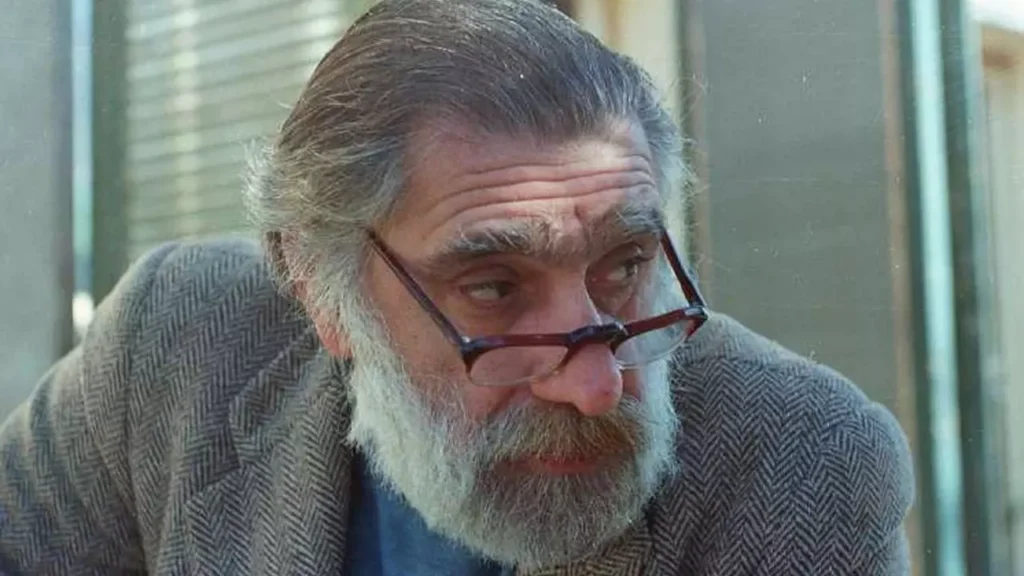
I’m Dutch. At that time, living in Turkey still came with regular “Who??” moments.Turns out, Can Yücel was the poet. Big beard. Great brain. Much emotions. He moved to Eski Datça to escape city madness. Honestly, who can blame him? Eski Datça has that energy. The kind that slows your pulse and speeds your imagination. Even the cats here seem philosophical. They stretch like they’ve just written a haiku. When I walked into Eski Datça that first time, I felt instantly out-cozied. Stone walls. Creaky doors. Handwritten signs saying “Come in” and “Don’t rush.” The village whispers secrets in every breeze. Usually involving olives or heartbreak. Now I live nearby and speak Turkish. I finally understand Can Yücel’s poems.
They’re like shots of rakı for the soul—burning, poetic, slightly dizzying. When he wrote about love, you felt it. Like being hugged by metaphors. His house is still there in Eski Datça. Hidden, humble, like he wanted privacy but not really. Locals will point and say, “Can Yücel lived there.” Like it’s the village’s badge of honor. I sometimes sit near his old wall, at feli”s having a nice almond coffee. The best place to have one. Ersin the owner of this small hotel with 4 rooms knows how to make almond coffee…. Eski Datça has that effect. It makes you want to write poetry, or at least attempt it.
I once tried. It came out as a shopping list with feelings. But still. In Eski Datça, nothing feels urgent. Even time wears flip-flops and stops for a coffee.Every corner has a story. A flower pot. A cat. A grandmother with a killer gözleme.You’ll smell thyme, fresh bread, and someone’s lunch you now desperately want.
Eski Datça isn’t just a village—it’s a vibe. A sleepy, bougainvillea-covered dream.I always tell friends, “Go to Eski Datça.” You have to feel and see that pink flower vibe.
Tell everyone. Because how can you not share something this beautiful?Eski Datça doesn’t try hard. It just exists—quietly fabulous. Effortlessly poetic.If you ever visit, bring comfy shoes and an open heart. And maybe a notepad.
Because Eski Datça might just turn you into a poet, too.
Nevruz in Eski Datça: Fire, Dancing, and Me Accidentally Becoming a Celebrity
Every year, something magical happens in Eski Datça. No, not just the cats getting lazier. It’s NevruzNevruz is the celebration of spring. Think flowers, music, fire, dancing—and this year, me on national TV. We went to the Nevruz festival in Eski Datça, organized by the Kurdish community. A beautiful tradition.Eski Datça is normally quiet. Birds chirping, tea boiling, occasional goat. But during Nevruz—it’s like a joyful earthquake. People came with families, flags, and that contagious Kurdish energy. The whole square in Eski Datça felt electric.All wearing traditional colourfull clothes. A singer was performing. Loud, proud, passionate. Even the bougainvillea started swaying to the beat.
Then the halay started. The famous Kurdish group dance. You link arms, kick legs, and try to survive.I joined in. My Dutch hips didn’t know what was happening, but I smiled and kicked anyway.
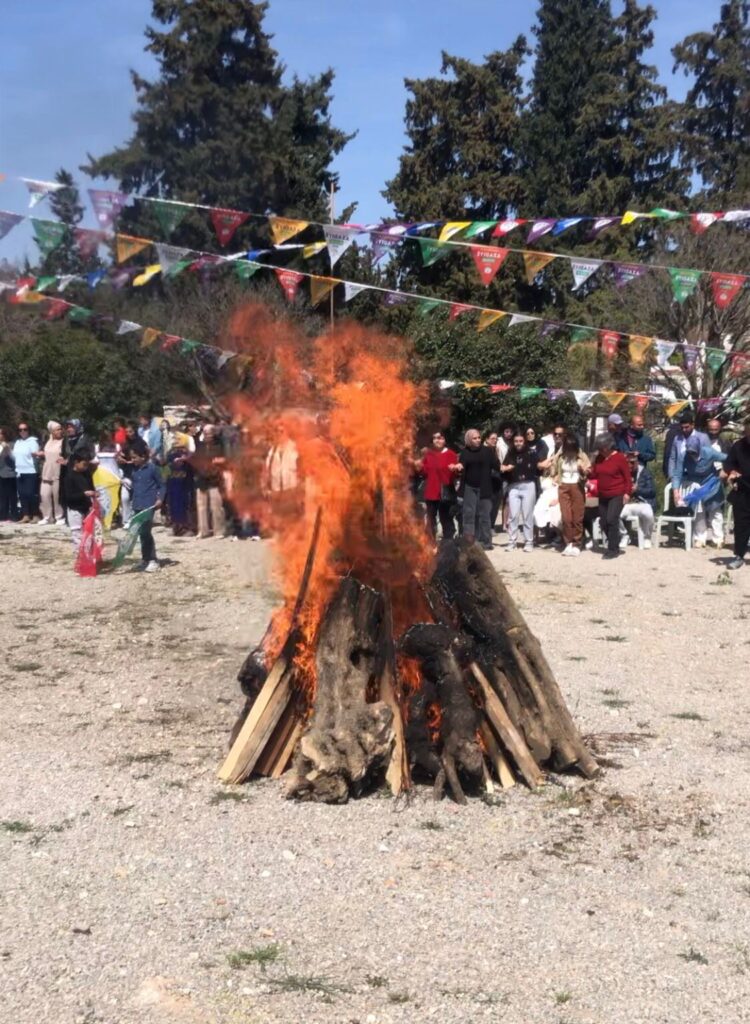
Suddenly, a woman with a microphone appeared. “Can we interview you?” she asked. I said yes—why?Because I’m apparently the only foreigner who accidentally wanders into a Kurdish spring festival in Eski Datça.So there I was. Sweating, smiling, surrounded by joy, trying to form a Turkish sentence on camera.
“Merhaba… Ben Janet… Hollandalıyım… Baharı seviyorum…” My Turkish turned into emotional spaghetti. But I gave it my best!
I told them how amazing it felt to be part of Nevruz in Eski Datça. Pure magic.Later, someone said, “You were on TV!” Great. Now I’m the official Dutch Nevruz ambassador of Eski Datça. But honestly, it was unforgettable. The fire, the food, the rhythm—Eski Datça has never felt more alive. Everyone welcomed me like family. Hugs, tea, laughter. I even got dancing tips from an 80-year-old. Eski Datça is known for poetry, flowers, and stone houses. But during Nevruz? It dances with fire.There was music echoing through olive trees. Children waving flags. Old men clapping like it’s Eurovision finals. I may have butchered the halay steps, but I danced like spring was watching. It probably was. The festival is held on the first sunday after 21 march.
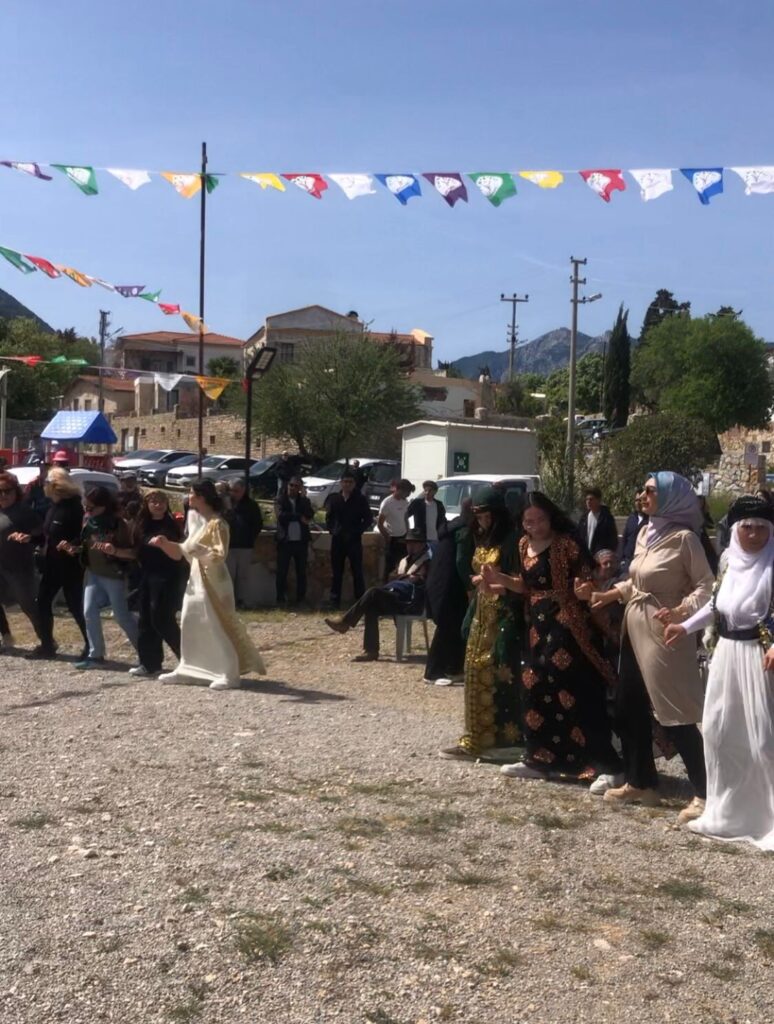
That’s the thing about Eski Datça. Even when you’re lost in translation, you feel exactly where you belong.So if you ever get the chance to celebrate Nevruz in Eski Datça—don’t think. Just go. Link arms. Kick like nobody’s watching. Even if the whole country actually is watching you on TV.
And remember: fire is hot, but Kurdish hospitality is hotter.
Eski Datça: Where Romans Moved in, and Never Really Moved Out
Long ago, around 1100 AD, people packed up and left Neodos. Why? No more water. In ancient times people left their homes if there was no water supply anymore so the Knidians moved 7 km towards Datca and called that place Neodos ( the new Knidos)
The water supply dried up. So, the clever folks of Knidos walked inland and found… a nice hill.
Eski Datça was greener, cooler, and, most importantly, less thirsty. A perfect spot for a fresh start. A bit more far away from the sea’ earthquakes had learned them that city’s can dissapear in the water.
Imagine the moving day: “Grab the olives, grandma, and the goats—we’re heading to Eski Datça!”
They brought everything: traditions, tools, and excellent stone-masonry skills. That’s why Eski Datça still looks ancient and fabulous.
Many stone houses in Eski Datça were built by Romans. That’s real estate with a backstory.Romans loved Eski Datça’s mild climate and sea breeze. Who wouldn’t want natural air-conditioning and wine?Archaeologists say Eski Datça hides layers of Roman life—under your sandals, history is basically winking.Walk around Eski Datça and you’ll spot Roman walls still standing. Probably stronger than my Wi-Fi.Eski Datça isn’t just a pretty village. It’s basically an open-air museum with cats and strong coffee.
The people from Knidos didn’t find Eski Datça. They moved here and simply called it… Datça. Back then, there was no “Eski.” It was just the Datça. The fresh start. The new hope. They built stone houses, planted almonds, and said, “Yep, this is home now.” Eski Datça was born. Well, it wasn’t Eski yet. Just very Roman, very smart, and slightly uphill from their salty old town. Today, we call it Eski Datça. Because there’s a “new” Datça now—Iskele, by the sea and marina. But Eski Datça still has the charm. Stone houses, narrow streets, and an overwhelming amount of cats and cafe’s.
Walking through Eski Datça feels like time-traveling with sandals. History lives here—quietly but stubbornly stylish. Plenty of souvenirs to bring home with you.
So yes, Eski Datça is “old.” But old like wine, not like forgotten socks. Timeless and proud.
Eski Datça: Come for the Flowers, Stay for the Almond Gaseuze (and Leave with an Empty Wallet)
Eski Datça is not just ancient stones and poets—it’s also where your shopping budget goes to cry.
Every corner of Eski Datça smells like oregano, olive oil, grilled something, and handmade soap. Irresistible chaos. You’ll find cute shops with baskets of wild herbs and jars of golden, smugly organic honey.
Eski Datça specializes in the good stuff. Local, handmade, eco-friendly, and slightly “oh wow, that’s how much?” They sell almond gaseuze—Datça’s famous fizzy drink. Sweet, nutty, weirdly refreshing. Basically almond champagne without the hangover. And the olive oil? Liquid gold. Locals use it for cooking, skincare, and probably fixing squeaky doors. Eski Datça also has colorful scarves, ceramics, jewelry, and goat-shaped soap. Who doesn’t need goat-shaped soap? You’ll find chic little eateries in Eski Datça. Great food, beautiful plates, and prices that whisper “tourist season.”
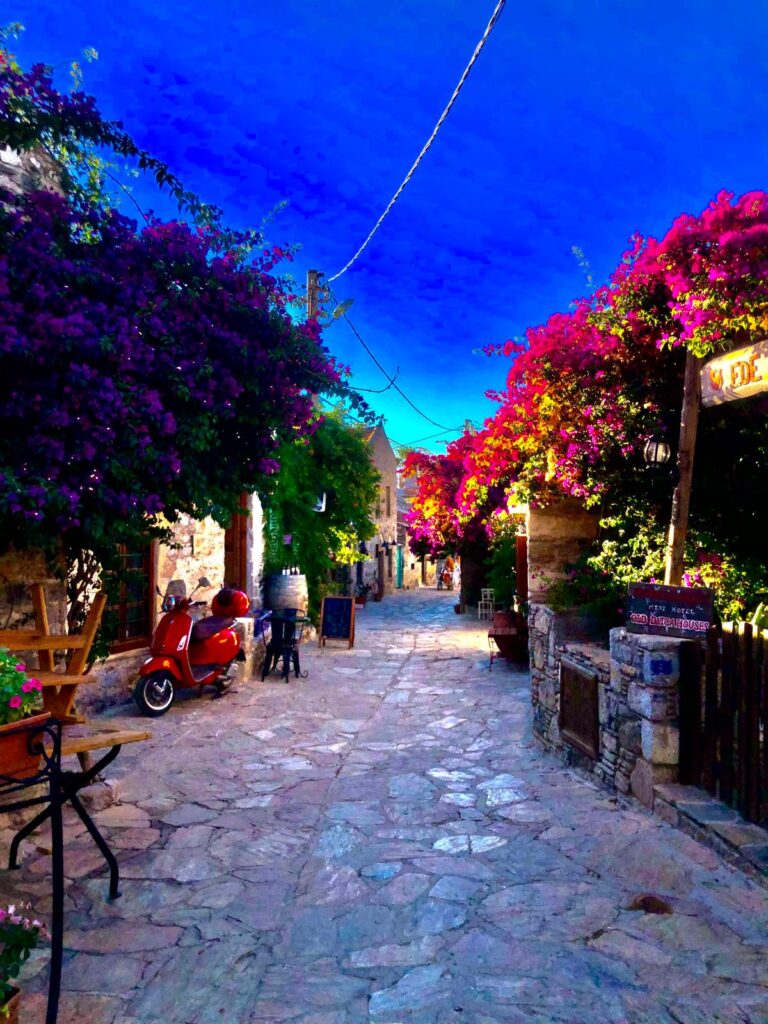
But honestly? It’s worth it. Eski Datça on a summer evening feels like a movie set.
The pink flowers glow under streetlights. The air smells like lavender, grilled cheese, and someone’s overpriced candle. Eski Datça becomes the place to be. Everyone’s here. Tourists, locals, and one confused cat.You’ll eat. You’ll shop. You’ll say “just one souvenir,” then leave with six bags and mild regret.
But it’s happy regret. Because Eski Datça makes you fall in love with everything. Come for the view, stay for the vibe, and don’t forget your wallet. Eski Datça knows fashion.And yes, the almond gaseuze will grow on you. Just like the bougainvillea climbing every single wall.
Flirting with History: Eski Datça Through the Ages
Eski Datça didn’t just pop up with poetry and almond soda. No, history got here way earlier.
First came the Romans. They built walls, roads, and probably complained about the heat just like we do.
However, unlike us, they didn’t post their olives on Instagram. But they did build really solid houses.
Therefore, Roman construction officially beats IKEA furniture. Sorry, Sweden.
Later, during the Byzantine times, the village became quieter. Probably because everyone was fasting or philosophizing.
Then, much later, Ottoman villagers added new layers—more tea, more goats, and definitely more gossip.
Even so, the ancient spirit of Eski Datça never faded. You feel it between every flower-covered wall.
Also, you hear whispers of old stories. Not ghosts—just grandmas chatting in the shade.
Fast forward to the 1900s, and Eski Datça was mostly forgotten. Until Can Yücel strolled in.
Suddenly, the poet made Eski Datça cool again. People came for the poetry, stayed for the breakfast.
Nowadays, Eski Datça blends centuries into one cobbled, sun-drenched, flower-scented experience. It’s like time just lounges here.
Meanwhile, visitors snap selfies in front of doors that Romans probably walked through. History’s still here—just with Wi-Fi.
And yes, the cats were likely here during the Roman Empire too. Some look that old, honestly.
Furthermore, Eski Datça doesn’t chase trends. It lets time pass like a lazy afternoon under a fig tree.
Even now, people from big cities visit Eski Datça to feel something ancient and real.
Because Eski Datça reminds us: beauty doesn’t rush. It bakes slowly under the sun like olive bread.
Finally, as a Dutch local, I still marvel at how Eski Datça mixes ruins and romance.
Eski Datça: Where Street Cats Rule and Wishes Come on Four Paws
If you ever visit Eski Datça, don’t forget this golden rule: always say hi to the cats.
Eski Datça isn’t just about poets, flowers, and overpriced almond soda—it’s a kingdom ruled by street cats.
They nap in windows, strut on rooftops, and own every sunlit corner in Eski Datça.
It’s like a furry fashion show with whiskers, tail flicks, and complete feline confidence.
Moreover, locals say if you spot a white cat in Eski Datça, you must make a wish.
Seriously, pause your shopping spree, whisper your hopes, and blink slowly—it’s cat etiquette here.
In addition, feeding the cats is highly encouraged. Bring treats. Share your simit. Be a hero.
Because in Eski Datça, cats are unofficial mayors, therapists, and occasional table inspectors at cafés.
Furthermore, they don’t beg. They expect. If you don’t share, they give you “the look.”
You know the one. The judgmental stare that says, “You call yourself a decent human?”
Consequently, most visitors learn quickly: treat the cats well, and they’ll bless you with purrs.
Also, it’s not just fluff. These cats have stories. Some arrived as kittens, stayed for poetry.
Others followed tourists, got belly rubs, and decided, “Yep, Eski Datça is my forever home.”
During the evening, as the lights flicker on, the cats begin their second shift: café patrol.
They gracefully hop onto chairs, curl into flower pots, and steal hearts (and sausages).
In the meantime, they also appear in almost every Eski Datça photo. Sometimes in full glamour mode.
So don’t be surprised if your best vacation selfie has a tail in the corner.
As you stroll through Eski Datça, you’ll notice bowls of water and kibble at every corner.
Shopkeepers take turns feeding them. One even knits tiny blankets for the winter loungers.
Besides that, some cats become shop mascots. One guards a bookstore. Another naps on handmade scarves.
It’s a shared agreement: humans sell olives and almond fizz, cats supervise the entire operation.
Additionally, many believe these street cats bring good luck—especially the mysterious white ones.
So if you’re heartbroken, lost, or just slightly snacky, go to Eski Datça. Find a cat.
Pat it gently, whisper your wish, and trust the Eski Datça magic to do the rest.
Transitioning now to practical matters—bring treats. The crunchy kind. You’ll make friends fast.
Also, watch your steps. The cats have no concept of “sidewalk safety” or “personal space.”
Yet no one minds. Because here in Eski Datça, the cats are the heritage, not just pets.
In short, come for the history, stay for the cats, and leave with a heart full of fluff.
Eski Datça welcomes everyone—but especially those with soft voices, gentle hands, and a pocket full of snacks.
So, next time you’re wandering the cobbled lanes of Eski Datça, look out for your furry guide.
Maybe they’ll lead you to a hidden tea spot. Or maybe just a sunbeam. Either way: magic.
And finally, always remember—when in Eski Datça, follow the cats. They clearly know what they’re doing.
So, bring your sandals, your curiosity, and your best attempt at Turkish small talk. Eski Datça is waiting.
If you want to see more villages and eski Datca with a guide book a village tour click on the following link https://experiencedatca.com/trip/village-tour-datca/

