

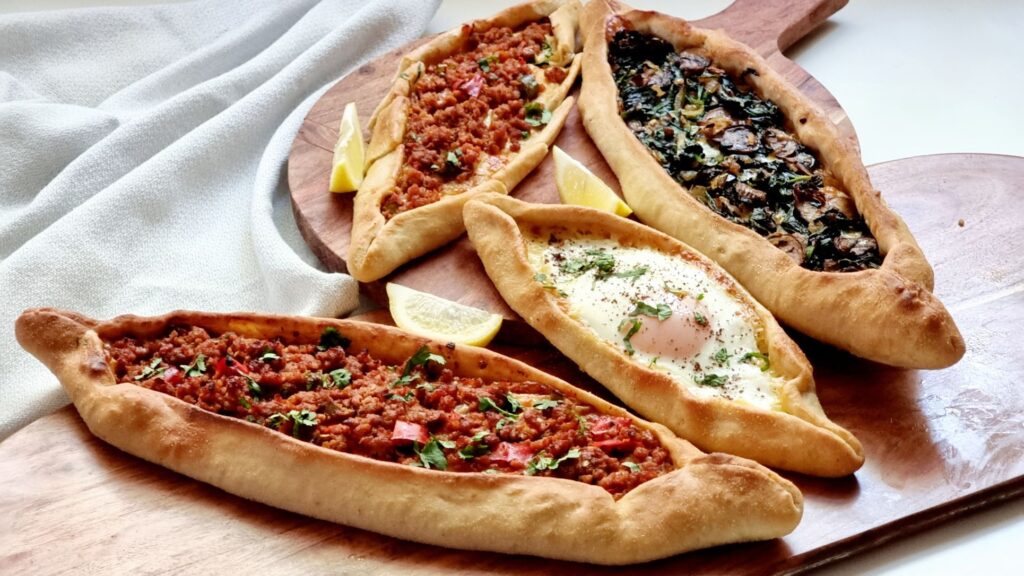
Turkish food pide is a beloved staple of Turkish cuisine, rich in history and flavor. This boat-shaped flatbread has been a part of Turkish culinary traditions for centuries. Its origins trace back to the Ottoman Empire, where it was initially a simple flatbread. Over time, Turkish food pide evolved, incorporating various regional ingredients and cooking methods.
The earliest forms of Turkish food pide were likely influenced by ancient Anatolian practices. Flatbreads were commonly cooked on the walls of brick ovens, a method that imparted a unique texture and flavor. The distinctive boat shape of Turkish food pide allowed for a crispy crust while keeping the fillings moist and flavorful. This shape also made it easy to share among family and friends, reinforcing its role in communal dining.
In the Black Sea region, particularly in the city of Samsun, Turkish food pide has been enjoyed since at least 1725. Locals would prepare their own fillings and take them to communal bakeries, known as “firin,” where the pide would be baked in stone ovens. This practice not only fostered a sense of community but also ensured that each Turkish food pide was tailored to individual tastes.
The dough for Turkish food pide is traditionally made from flour, water, yeast, and salt. After kneading, it is left to rise, resulting in a soft yet chewy texture. Once shaped into its iconic form, the dough is topped with a variety of ingredients. Common toppings include seasoned meats, cheeses, vegetables, and sometimes eggs. These ingredients are finely chopped using a technique called “satır arası,” ensuring a harmonious blend of flavors.
Turkish food pide comes in numerous regional variations, each reflecting local tastes and ingredients. In the Black Sea area, you might find pide filled with anchovies or regional cheeses. In other regions, toppings like minced meat, spinach, and eggs are prevalent. This diversity showcases the adaptability of Turkish food pide to different palates and cultural influences.
Beyond its delicious taste, Turkish food pide holds cultural significance. It is often associated with special occasions and religious observances. During Ramadan, for instance, pide is a staple at iftar meals, symbolizing nourishment and togetherness.
In recent years, Turkish food pide has gained international recognition. Restaurants around the world have embraced this dish, offering both traditional and innovative versions. Despite modern twists, the essence of Turkish food pide—a hearty, flavorful flatbread meant for sharing—remains unchanged.
In conclusion, Turkish food pide is more than just a meal; it’s a reflection of Turkey’s rich culinary heritage and communal spirit. Its enduring popularity, both within Turkey and abroad, attests to its universal appeal. Whether enjoyed in a bustling city or a quiet village, Turkish food pide continues to bring people together, one slice at a time.
Turkish Food Pide: The Aegean’s Cheesy, Meaty, Doughy Delight
Ah, Turkish food pide—the boat-shaped flatbread that’s been sailing into our hearts and stomachs for centuries. In Turkey’s Aegean region, it’s not just a meal; it’s a way of life. Picture this: a family gathering where the only argument is whether to order the minced meat or the cheese pide. Spoiler alert: they order both.
The Great Pide Debate: Cheese vs. Minced Meat
In the Aegean, choosing between cheese and minced meat pide is like choosing a favorite child—impossible and likely to cause a family feud. Uncle Ahmet swears by the cheesy goodness, claiming it brings out the flavor of the dough. Aunt Fatma, on the other hand, insists that the minced meat version is the only true Turkish food pide. The solution? Order one of each and let the taste buds decide.
Pide: The Social Glue of the Aegean
Turkish food pide isn’t just food; it’s the social glue that holds Aegean families together. Whether it’s a Sunday lunch or a spontaneous gathering, someone always suggests, “Let’s get some pide.” Suddenly, the whole family is gathered around, tearing into the crispy crusts and sharing stories. It’s the Aegean version of team-building.
The Art of Eating Pide
Eating Turkish food pide is an art form in the Aegean. First, you must admire its boat-like shape—because who doesn’t want to eat a carbohydrate canoe? Next, you strategically choose your slice, ensuring you get the perfect ratio of crust to topping. Finally, you savor each bite, nodding in approval and occasionally uttering, “Mmm, that’s good pide.”
Pide Etiquette: Unwritten Rules
In the Aegean, there are unwritten rules when it comes to Turkish food pide:
- Never take the last slice without offering it to the group.
- Always compliment the pide, even if it’s slightly burnt.
- Avoid discussing politics over pide—stick to safe topics like weather and football.
Pide: The Versatile Delight
Turkish food pide is the chameleon of the culinary world. Feeling cheesy? Go for the peynirli. Craving meat? The kıymalı has got you covered. Can’t decide? The karışık (mixed) pide is your best friend. It’s the Aegean’s answer to indecisiveness.
Pide and the Aegean Lifestyle
In the Aegean, life moves at a leisurely pace, and Turkish food pide fits right in. It’s the go-to meal after a day at the beach or a long afternoon nap. Locals often joke that the only thing faster than the Aegean breeze is how quickly a hot pide disappears from the table.
Conclusion: Pide—A Slice of Aegean Happiness
So, next time you find yourself in Turkey’s Aegean region, do as the locals do: gather your loved ones, order a variety of Turkish food pide, and let the good times roll. Remember, in the Aegean, life is better with a slice of pide in hand and a smile on your face.
When it comes to flatbreads with toppings, two titans stand tall: Turkish food pide and Italian pizza. Both are beloved, both are delicious, and both have passionate fans ready to defend their favorite with a rolling pin in hand.
Turkish Food Pide vs. Italian Pizza: A Doughy Duel of Deliciousness
The Origins: Ancient Dough-scovery
Pizza aficionados often point to Naples in the 18th century as the birthplace of their cherished dish. The Margherita pizza, with its patriotic colors, was reportedly created in 1889 for Queen Margherita of Savoy.
However, Turkish food pide enthusiasts might raise an eyebrow—and a slice. Pide’s history stretches back even further, with roots in the ancient Near East. Flatbreads topped with various ingredients were common in the region long before tomatoes met dough in Italy. The word “pide” itself is derived from the Greek “pita,” indicating a shared Mediterranean heritage.
Shape Matters: Boats vs. Circles
Italian pizza is typically round, symbolizing unity and wholeness. It’s the culinary equivalent of a warm hug.
Turkish food pide, on the other hand, is often boat-shaped. This design isn’t just for aesthetics; it helps keep the generous fillings—like minced meat, cheese, and vegetables—securely nestled during baking. Plus, it gives you the feeling of embarking on a delicious voyage with every bite.
The Great Tomato Debate
Tomatoes are synonymous with pizza. But did you know that tomatoes weren’t introduced to Europe until the 16th century? Even then, they were initially thought to be poisonous. It wasn’t until the 18th century that tomatoes became a staple in Italian cooking.
Turkish food pide doesn’t rely on tomatoes. While some variations include them, many traditional pides feature toppings like spiced meats, cheeses, and herbs, showcasing the rich flavors of Anatolia without the need for tomato sauce.
Wood-Fired Wonders
Both dishes achieve their best flavors when baked in wood-fired ovens. The high heat creates a crispy crust and imparts a smoky aroma that’s hard to resist.
In the Aegean region of Turkey, it’s common to find family-run bakeries where Turkish food pide is baked to perfection. The communal aspect of sharing a freshly baked pide straight from the oven is a cherished tradition.
Toppings Galore
Pizza toppings have evolved over time, from classic Margherita to controversial choices like pineapple.
Turkish food pide offers a variety of traditional toppings:
- Kıymalı: Minced meat with spices.
- Kaşarlı: Melted kaşar cheese.
- Sucuklu: Turkish sausage slices.
- Ispanaklı: Spinach and cheese.
Each region in Turkey has its own specialty, reflecting local tastes and ingredients.
Cultural Significance
Pizza has become a global phenomenon, with countless variations and adaptations worldwide.
Turkish food pide remains deeply rooted in Turkish culture. It’s more than just food; it’s a symbol of hospitality and togetherness. Sharing a pide is a common practice during family gatherings, holidays, and special occasions.
The Verdict: Can’t We All Just Get Along?
While debates over who invented what can be fun, perhaps it’s best to appreciate both dishes for their unique qualities. After all, whether it’s a slice of pizza or a piece of Turkish food pide, the goal is the same: to bring people together over delicious food.
So next time you’re torn between ordering pizza or pide, why not have both? Celebrate the rich culinary traditions of both Italy and Turkey, one bite at a time.
Pide, Sandstorms, and Family Drama: A Very Datca Dinner
Last night was classic Dacça chaos. The kind you just can’t plan. Or avoid. But it tasted amazing.
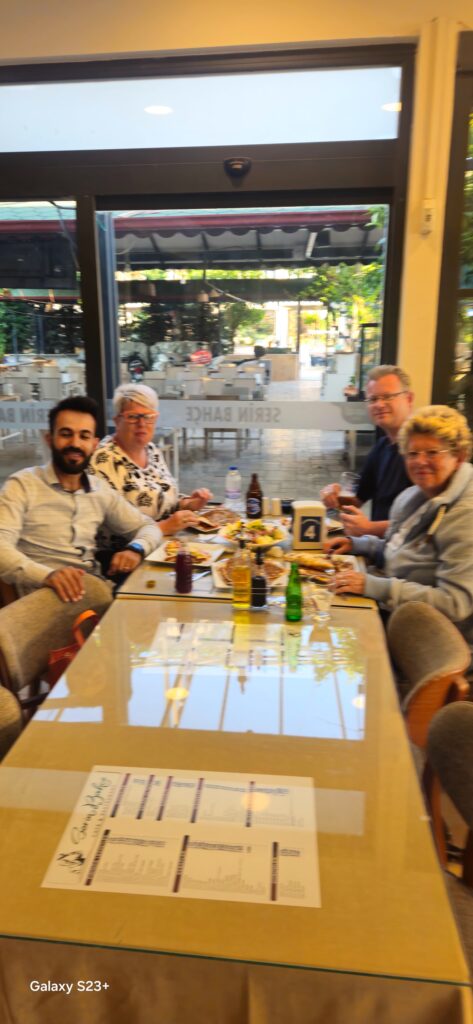
So, my brother and mother flew in from Holland. Obviously, they needed a proper Turkish welcome.
Not a hug. Not flowers. Pide.
We took them to our favorite spot, just behind Sevgi Yolu. It’s always full. Always friendly.
And always full of Turkish grandpas yelling across tables. Comforting, right?
However, things got spicy before the food even arrived.
Firstly, we arrived and the front door was shut. Panic. Sad faces. No Pide?
Secondly, we noticed roadworks. The government decided that exact day to tear up the whole street.
Because, of course. Timing is everything.
We saw sand, bulldozers, one guy pretending to work, and a cat supervising everything.
Meanwhile, I nearly cried. “It’s closed!” I whispered. Drama level: Dutch soap opera.
But then, plot twist! The side door was open. Just casually open, like nothing happened.
Fortunately, the staff opened that side so the wind wouldn’t blow sand into our mouths.
Bless them. Priorities straight: Pide first, lungs later.
Anyway, we sat down, and things immediately improved. Smells. Laughter. The table wobbled. True Datca vibes.
I ordered kiymalı kaşarlı pide, obviously. Ground beef and cheese. Crunchy, melty, and totally illegal in five countries.
In contrast, my brother asked for “the thing that looks like a pizza but isn’t.”
He meant sucuklu. We forgave him. He’s still new.
Moreover, we had a tomato salad so fresh it probably still had feelings.
Crispy greens, lemon, olive oil, zero guilt. Until the second pide arrived. Oops.
My husband looked so happy, I thought he might propose again. To the pide, not me.
Fair.
As expected, the wind picked up, and some sand still got in. Crunchy bites, surprise textures.
My brother called it “extra minerals.” He’s been in Datca for two hours and thinks he’s local now.
Eventually, the table next to us started singing. Randomly. One of them played a spoon.
Meanwhile, a child ran through the restaurant yelling “Karpuz!” (Watermelon). No one reacted. Normal behavior.
Then, just as I dipped my crust in spicy ezme, the power flickered. Classic Datca moment.
No one panicked. The lights came back. Everyone cheered. It was like a weird dessert course.
Still, nothing beats that view after dinner. Bougainvillea everywhere, breeze from the sea, random dog under the table.
In addition, the walk back home smelled like jasmine and grilled fish. Ten out of ten atmosphere.
We walked past the roadworks again. The cat was now in charge of traffic.
It was the perfect mix of food, family, dust, and Datca madness.
Here is the link from the restaurant to eat the best pide in Datca : https://serinbahcedatca.com/
Come for the pide. Stay for the chaos.
Datca, never change.

