Greek Ruins and the Mythology of Wine: Exploring Palaia Knidos
The Greek ruins of Palaia Knidos whisper ancient secrets, and if you listen closely, you might hear the laughter of Dionysus himself. This was once a place of celebration, where wine flowed freely, and mythology and reality blended into one. Walking through these ancient stones, you can almost feel the energy of past festivities. The Greek ruins tell a story of how wine shaped culture, worship, and daily life in this legendary land.
Dionysus and the Magic of Wine in the Greek Ruins
In Greek mythology, Dionysus was the god of wine, festivity, and wild celebration. His influence spread far and wide, reaching the Greek ruins of Palaia Knidos. Here, winemaking was more than just a craft—it was a sacred tradition. People believed that drinking wine brought them closer to the divine, unlocking joy and inspiration. They held grand feasts, where music played, and wine was poured in honor of Dionysus.
Wine and Rituals Among the Greek Ruins
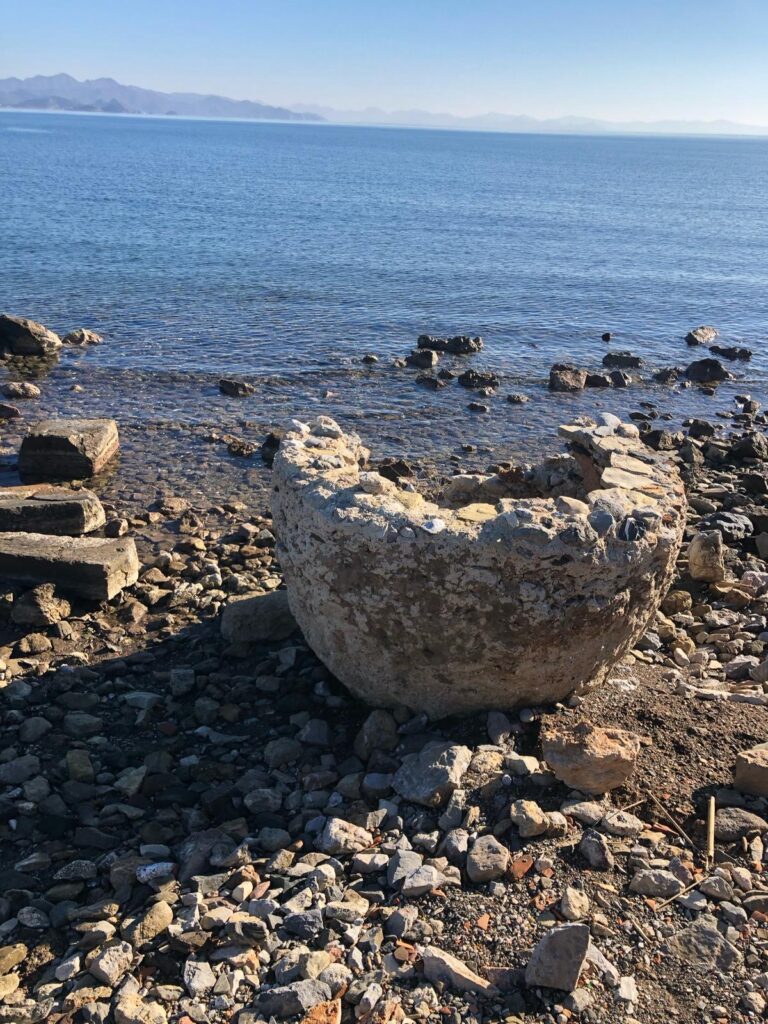
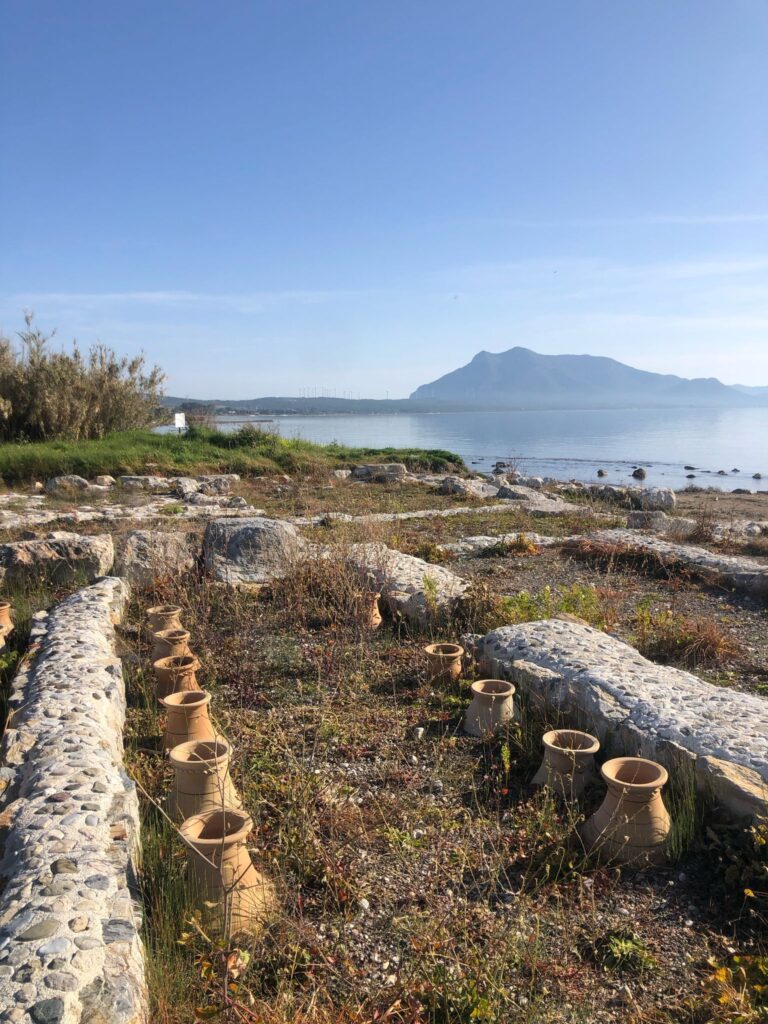
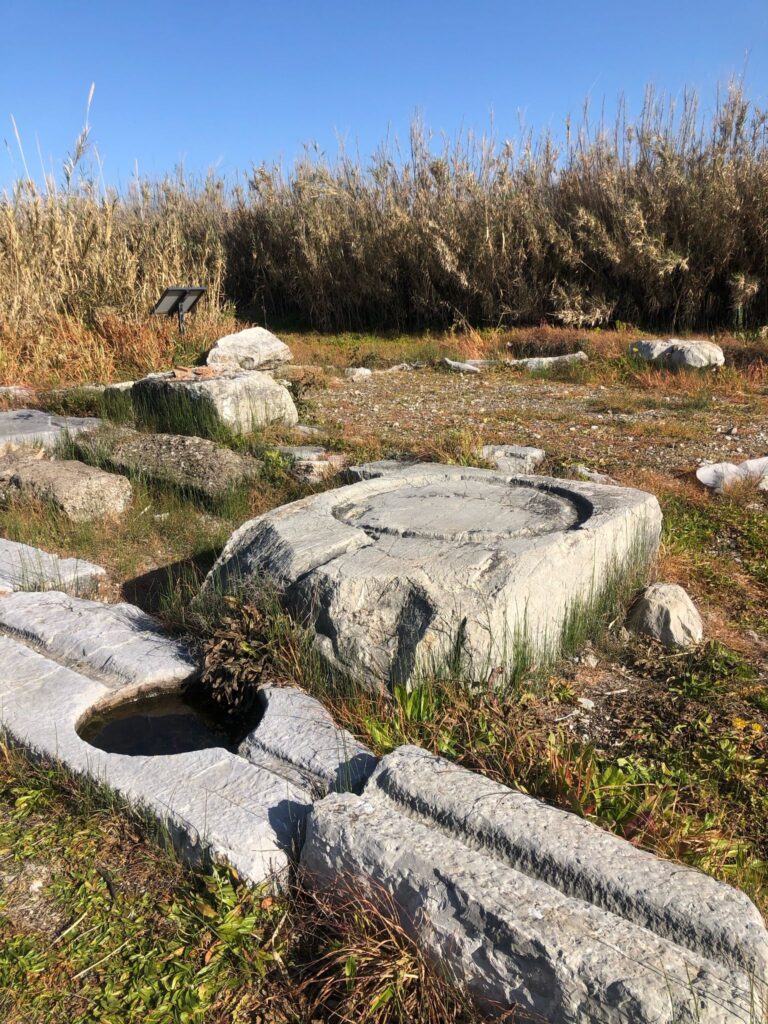
The Greek ruins of Palaia Knidos hold traces of old wine presses and fermentation rooms. These structures show how deeply winemaking was connected to both trade and religious ceremonies. Priests and worshippers gathered to offer wine to the gods, believing it held magical powers. They danced, sang, and celebrated life, embracing the spirit of Dionysus. Every sip of wine carried a story, a prayer, or a tribute to the divine.
How Greek Ruins Preserve the Legacy of Ancient Winemaking
The Greek ruins of Palaia Knidos still hold the spirit of its winemaking past. Archaeologists have uncovered tools and clay vessels used for storing wine, proving the area’s importance in ancient wine culture. The land, kissed by the Aegean sun, still nurtures vineyards, much like it did thousands of years ago. Standing among these ruins, you can almost imagine the sound of glasses clinking and laughter filling the air.
Taste the History in the Greek Ruins of Palaia Knidos
Even today, the Greek ruins of Palaia Knidos inspire local winemakers to honor their heritage. Modern vineyards in Datça continue the ancient traditions, producing wines that reflect the land’s history. Visitors can walk through these sacred ruins, learning how the past shaped the present. Every stone tells a tale, and every sip of wine is a journey through time.
Discover the Greek Ruins and Raise a Glass to Dionysus
If you love history, mythology, and a good glass of wine, Palaia Knidos is calling you. Walk among the Greek ruins, feel the echoes of ancient celebrations, and toast to the god of wine. Dionysus would surely approve!
Greek Ruins and the Sacred Rituals of Wine: Exploring Palaia Knidos
The Greek ruins of Palaia Knidos stand as silent witnesses to a time when wine was more than just a drink. Here, among crumbling stone walls and ancient wine presses, people once gathered for sacred rituals. Priests poured wine in honor of the gods, and worshippers celebrated life through feasts and ceremonies. Walking through these ruins, you can almost hear the echoes of ancient chants and the clinking of clay cups.
Want to go on a guided excursion to Knidos click on the link below: https://experiencedatca.com/trip/guided-trip-to-knidos/
Wine as a Divine Offering in the Greek Ruins
In the ancient world, wine was a sacred gift, believed to connect humans with the gods. The ruins of Palaia Knidos hold traces of altars where wine was poured as an offering. Priests would raise their cups to the sky, calling upon Dionysus, the god of wine and ecstasy. With each drop spilled onto the ground, they honored the divine forces that blessed their vineyards.
Feasting and Worship in the Ruins
Religious ceremonies in Palaia Knidos were not quiet affairs. The ruins once echoed with laughter, music, and the sound of joyful celebration. Festivals were held in temple courtyards, where wine flowed freely, and people danced under the stars. Wine was seen as a way to open the mind, allowing worshippers to feel closer to the gods. These ancient feasts transformed the place into divine connection and human joy.
The Role of Wine in Sacred Rituals
Beyond celebrations, wine played a central role in religious rites. Within Palaia Knidos, archaeologists have found clay vessels used in ceremonies. Wine was mixed with water and herbs, creating a sacred drink for purification rituals. Priests believed that consuming wine during prayers would bring visions, wisdom, and a deeper connection to the spiritual world. Every sip carried meaning, and every gathering within the city was a moment of devotion.
Walking the Ruins and Honoring the Past
Today, visitors can walk through the ruins of Palaia Knidos and imagine the rituals of the past. The remnants of wine presses and altars tell stories of devotion, celebration, and the deep respect for nature’s gifts. Modern vineyards in Datça still carry on this tradition, producing wines that honor the land’s history. To stand among these old ruins with a glass of local wine is to experience a taste of the past.
Raise a Glass to History in the Greek Ruins of Palaia Knidos
If you ever find yourself wandering through the ruins, take a moment to reflect on the power of tradition. Wine was more than a drink—it was a bridge between gods and mortals, a key to celebration and worship. Raise a glass, toast to the past, and feel the spirit of ancient Palaia Knidos come to life once more!

Ruins and Mythology: The Gods and Heroes of Palaia Knidos
The ruins of Palaia Knidos whisper stories of gods, heroes, and legendary feasts. This ancient land, once home to bustling markets and sacred temples, was a place where mythology and reality intertwined. As you walk among the fallen columns and weathered stones, you can almost hear the echoes of ancient tales carried by the wind.
Dionysus: The God of Wine and Celebration
No myth about the Greek ruins of Palaia Knidos is complete without Dionysus, the god of wine, pleasure, and revelry. Legends say he wandered through the region, blessing vineyards and teaching people the art of winemaking. The locals honored him with wild festivals, where music played, wine flowed, and laughter filled the air. Standing among the Greek ruins, you can almost feel the energy of these ancient celebrations.
Aphrodite: The Goddess of Love and Pleasure
Knidos, the great city near Palaia Knidos, was famous for its breathtaking statue of Aphrodite, the goddess of love and beauty. Pilgrims traveled from distant lands to admire her temple, seeking her favor in love and fortune. The Greek ruins still hold traces of these grand temples, where offerings of wine and flowers once adorned sacred altars. Even today, the golden sunsets over the Aegean feel like a tribute to her timeless beauty.
The Carian Warriors and Their Legendary Kings
Long before the Greeks arrived, the Greek ruins of Palaia Knidos belonged to the Carians, a proud and fierce people. Their legendary kings, half-warrior and half-mystic, defended these lands with courage and skill. Stories tell of powerful leaders who drank wine before battle, believing it gave them strength and divine protection. The Greek ruins of their fortresses and watchtowers still stand, whispering secrets of their ancient power.
Poseidon: The Protector of Sailors and Stormy Seas
The sailors of Knidos worshipped Poseidon, god of the sea, to keep their journeys safe. His temples stood tall near the harbors, where travelers poured wine into the waves as an offering. The Greek ruins of these sacred places remain, reminding us of a time when gods ruled the seas and men followed the stars.
Step Into Myth and History Among the Greek Ruins
The Greek ruins of Palaia Knidos are more than just stones—they are the remains of a world filled with gods, heroes, and adventure. Whether you raise a glass to Dionysus or watch the sunset in honor of Aphrodite, this land invites you to step into legend. Walk among the Greek ruins, listen to their stories, and let the myths of Knidos come to life once more!
Greek Ruins and Ancient Drinking Customs: Wine Culture at Palaia Knidos
The Greek ruins of Palaia Knidos hold stories of grand feasts, overflowing cups, and endless toasts to the gods. In ancient times, wine was more than just a drink—it was a symbol of celebration, wisdom, and connection. Walking among these Greek ruins, you can almost hear the clinking of clay cups and the laughter of those who once gathered here.
Wine and the Ancient Greek Symposium
In the world of the Greek ruins, drinking wine was an art. The Greeks held symposia, lively gatherings where philosophers, poets, and nobles shared ideas over endless cups of wine. But drinking wasn’t about getting drunk—it was about balance. Wine was mixed with water to ensure people stayed sharp while discussing politics, poetry, and philosophy. Standing among the Greek ruins, it’s easy to imagine the debates and storytelling that once filled the air.
Drinking Games and Ancient Fun in the Greek Ruins
Wine drinking wasn’t always serious—ancient Greeks loved a good game. One popular challenge was kottabos, a game where drinkers flicked the last drops of wine from their cups, aiming to hit a target. Winners were rewarded with cheers, admiration, and sometimes a romantic favor. Imagine playing this among the Greek ruins, with the Aegean breeze carrying echoes of past laughter.
Wine as a Sacred Offering to the Gods
In the temples of Knidos, wine wasn’t just enjoyed—it was offered to the gods. Worshippers poured wine onto altars in honor of Dionysus, the god of wine and ecstasy. These sacred rituals took place within the Greek ruins, where the scent of grapes and burning incense filled the air. Every sip was a tribute, every toast a prayer for blessings, good harvests, and safe journeys.
Feasting and Toasting in the Greek Ruins
Feasts in Palaia Knidos were legendary, filled with music, dancing, and endless toasts. Hosts welcomed guests with goblets of wine, and the night was spent in joyous celebration. Among the Greek ruins, archaeologists have found ancient drinking cups and wine vessels, proving that this city once knew how to party. Standing here today, it’s easy to picture a grand banquet under the stars. want to know more about Knidos read it on Wikipedia İ https://tr.wikipedia.org/wiki/Knidos
Raise a Glass to History in the Greek Ruins of Palaia Knidos
The Greek ruins of Palaia Knidos are a reminder that wine was more than a drink—it was a way of life. From serious discussions to playful games, from sacred rituals to wild feasts, wine brought people together. So, if you ever find yourself wandering these ancient stones, raise an imaginary cup, make a toast, and honor the traditions that still echo through the Greek ruins today!